
The Art of Chaguar Fiber
Origin, Harvesting, and Weaving Traditions of the Wichí Weavers
The Indigenous Wichí community lives in the dense native forests of northern Argentina. Despite centuries of colonization and resource extraction, the Wichí have sustained a profound relationship with their environment. One of the clearest expressions of that connection is their work with chaguar—a wild forest plant they gather and transform into thread using knowledge passed down through generations.
Chaguar is a sword-leaved plant, similar to yucca or aloe vera, that grows throughout the Gran Chaco region of Argentina, Bolivia, and Paraguay. For generations, Wichí women have refined the skill of harvesting and processing its resilient fibers.
Chaguar fiber work is carried out exclusively by Wichí women within a clan-based, matriarchal society. Spinning and weaving are communal practices that have shaped Wichí visual culture, oral history, and economic survival for centuries—and continues to define the artistic language and cultural identity of the community today.
The value of chaguar lies not only in the material itself but in the knowledge required to work with it: locating it deep in the forest, gathering leaves without harming the plant, extracting raw fibers, and transforming them into thread and woven textiles. The process is long, precise and rooted in ancestral wisdom.

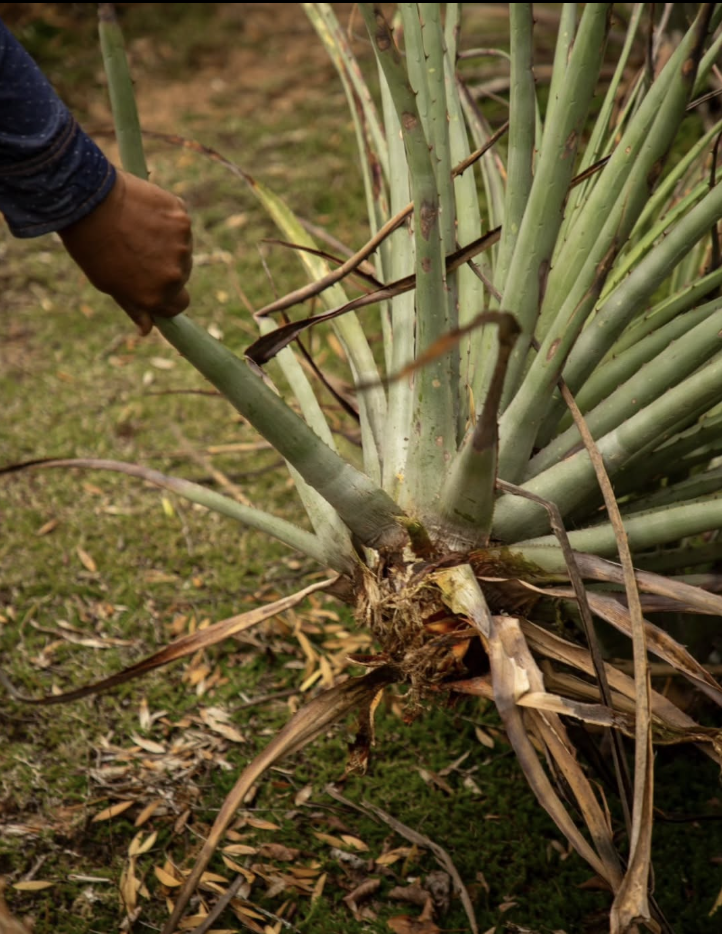
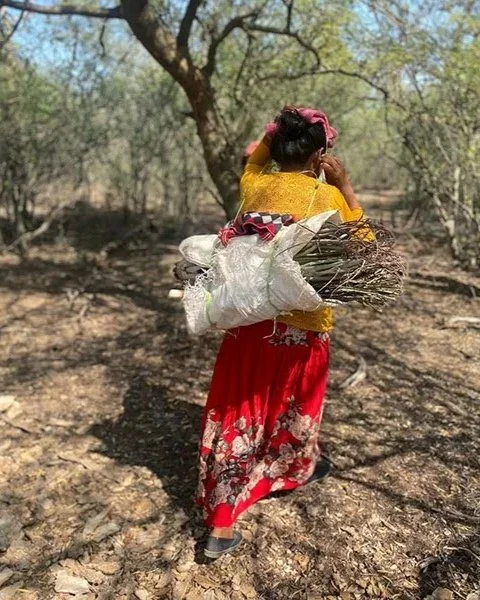
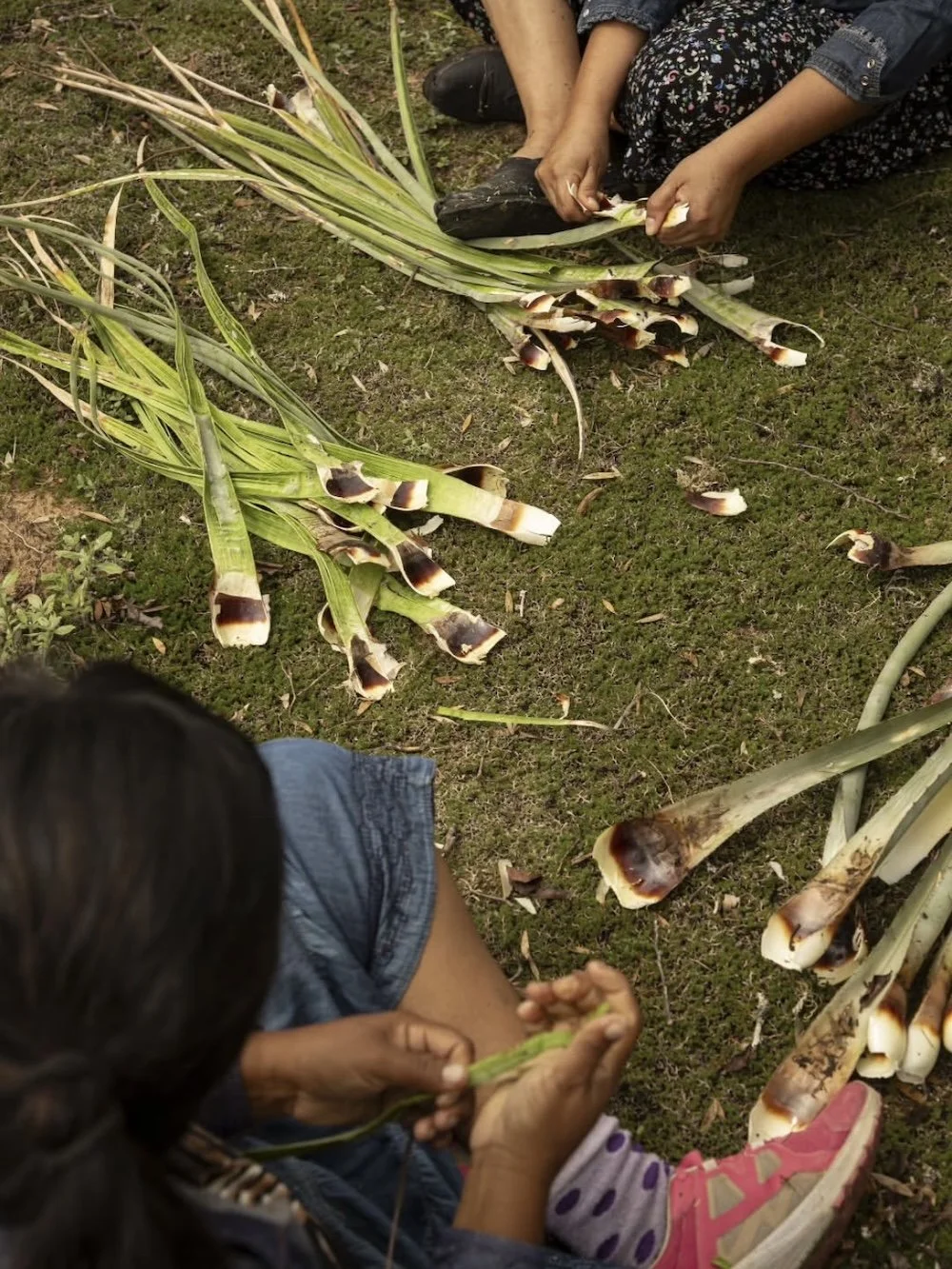
1. Recollection and Extraction
The journey begins in groups. Wichí women walk into the forest with machetes or sticks, carefully selecting leaves without disturbing the roots so the plant can regenerate.
2. Preparation
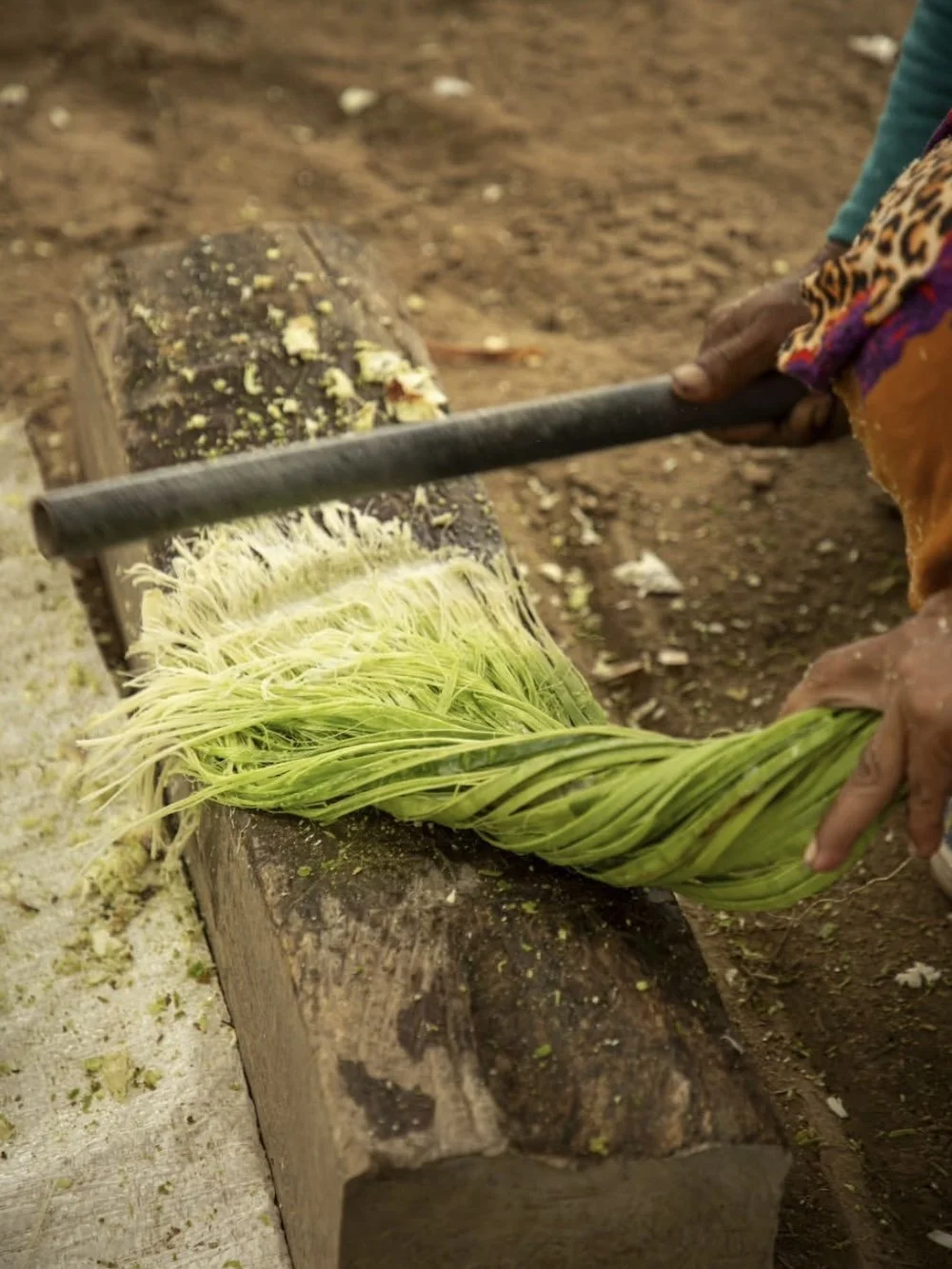
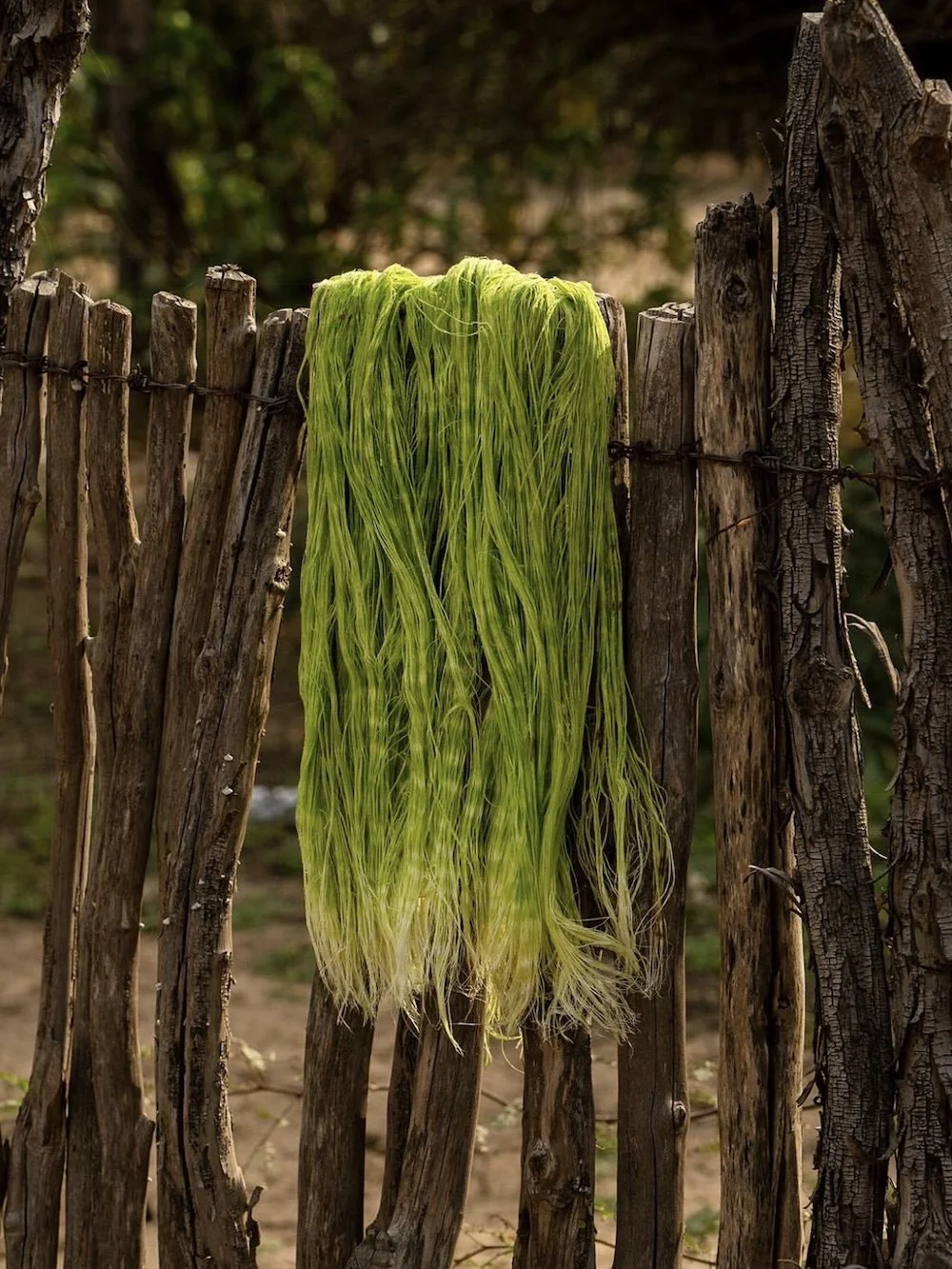
The thorns are removed and leaves are peeled to reveal the interior strands. The raw fibers are processed entirely by hand—cleaned, crushed, scraped, and soaked in water several times to soften the material and remove pulp. Once prepared, the fibers are hung to dry, turning pale, strong, and flexible.
3. Spinning
Once dry, the fibers are spun into thread using a time-honored method: rolling them along their thighs, their fingers lightly dusted with ash to improve grip. The resulting yarn is fine, strong, and wound into skeins.
4. Dyeing
Skeins are dyed with natural pigments extracted from roots, bark, fruits, seeds, and leaves—each hue connected to a specific plant.
5. Weaving
The dyed threads are woven on looms or knitted, using ancient techniques and stitches, into functional and artistic items. These one-of-a-kind designs reflect their environment, their lineage, and the everyday landscape of rural northern Argentina.




Technique, Colors and Stitches
In the Wichí language, the words for art and craft do not exist. The word for weaving, tayhin, means more than producing textile or artistic pieces—it represents an ongoing action. It also means healing, building, and reconstructing. With kindness, creativity, courage, and a purpose rooted in cultural continuity, Wichí women organize their communities and make their voices heard through their work. They are more than artisans—they are artists, storytellers, land defenders, and guardians of culture and collective memory.
“The chaguar has always been very important for us Wichí women who weave. We live alongside the chaguar; it is part of the forest just like we are. That is where we find it, among the trees. From the moment we harvest the plant and begin working it, we feel its beautiful fragrance that makes us happy. The aroma of the chaguar never disappears; when we dye it and weave it, it remains—it is the scent of the forest. The chaguar never stops surprising us, all that it can do, the shapes it takes,” says Claudia Alarcón, an indigenous textile artist from the La Puntana.
Color Families of Chaguar Dye
Pelaj: The natural, undyed tone of chaguar fiber.
Ichot (Red Range): Reds, pinks, purples, and reddish browns sourced from tusca, chañar, pata, palo coca, and sal de indio.
Ichalaj (Black Range): Blacks, grays, deep browns, and blues made from guayacán fruit, white and black carob resins, clay mordants, and itín wood.
Ikate (Yellow Range): Yellows, oranges, and yellow-greens extracted from palo santo, palo amarillo, abreboca, quebracho blanco, and palo cruz. Greens may also be produced using white carob bark or yerba mate for larger batches.
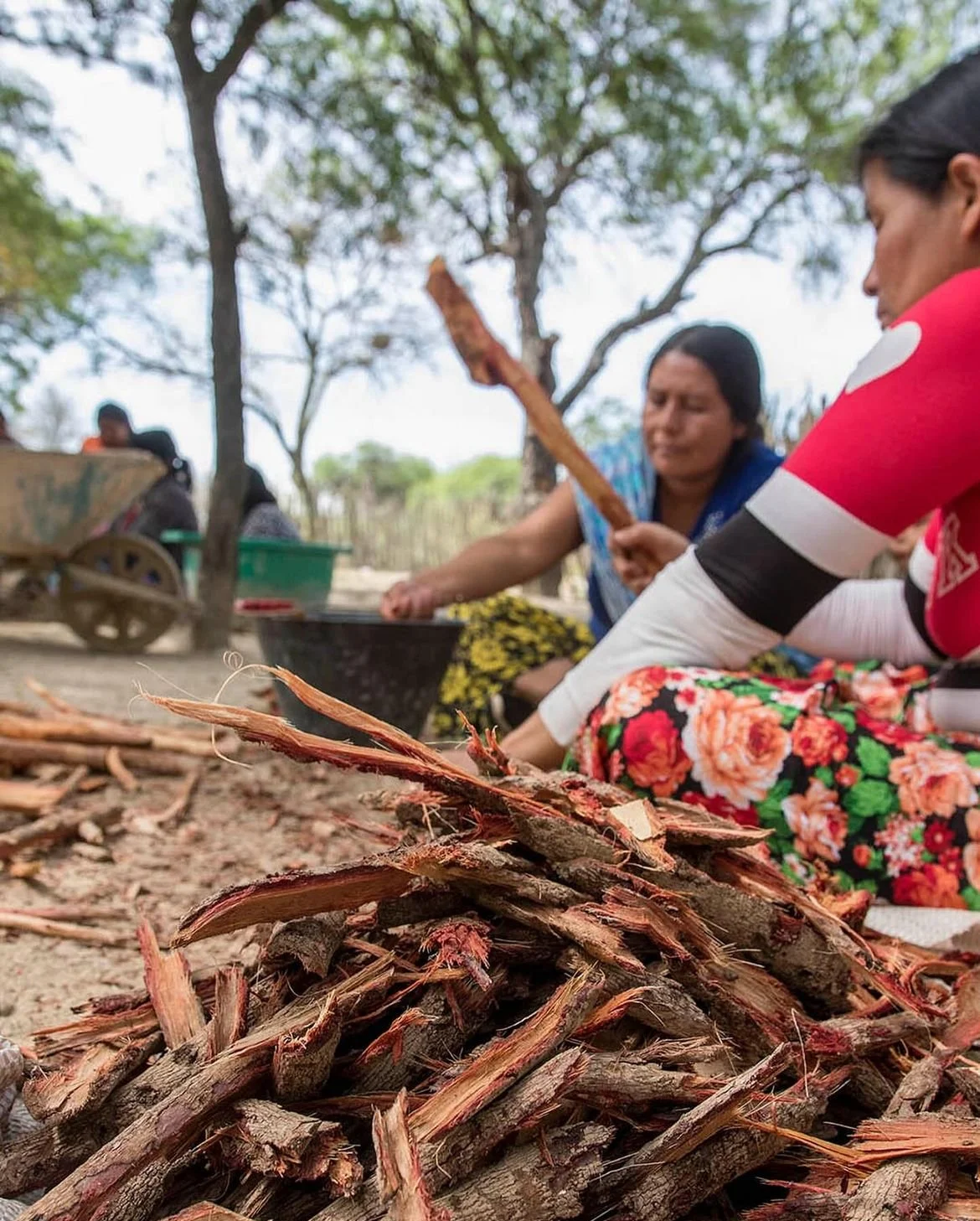
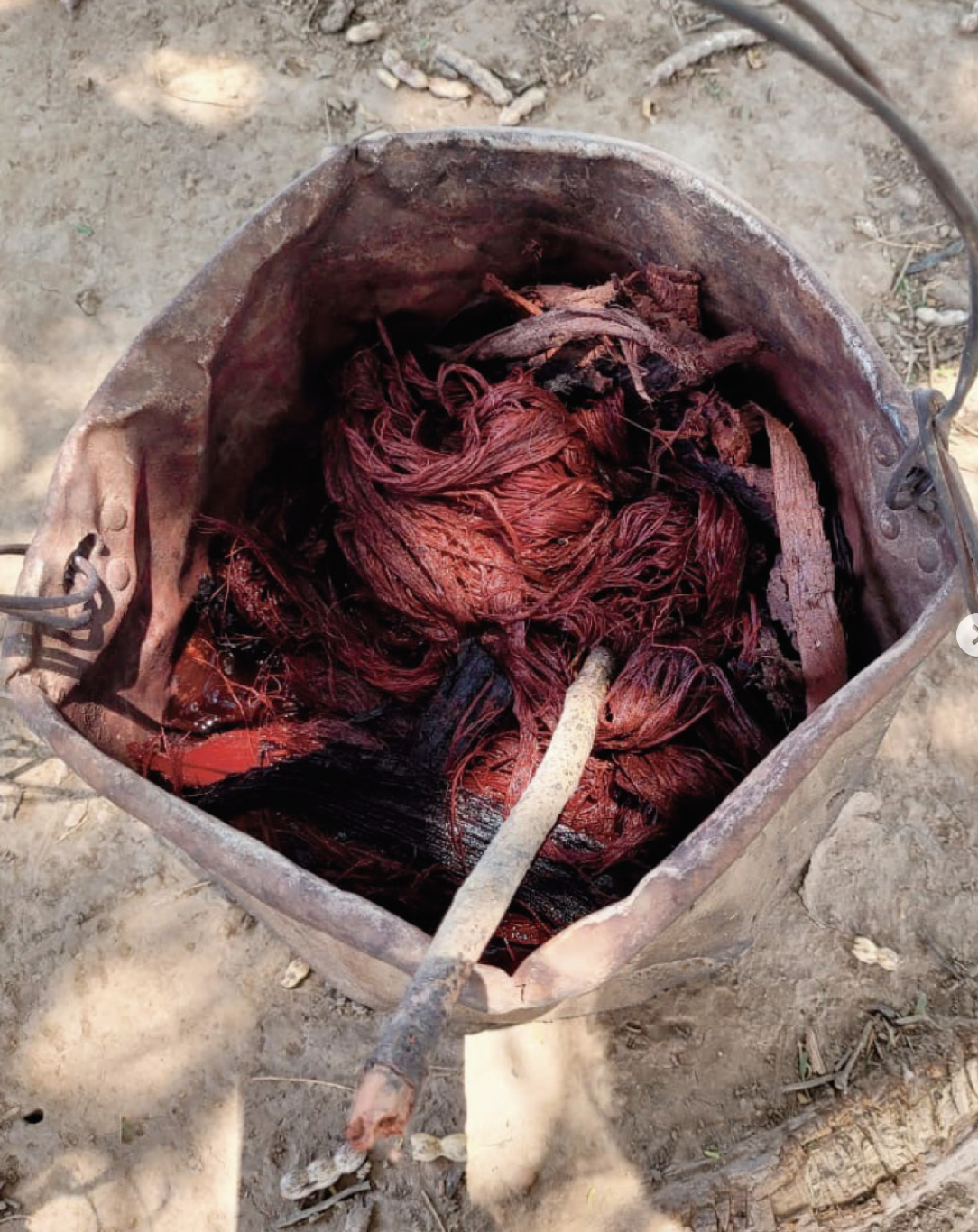

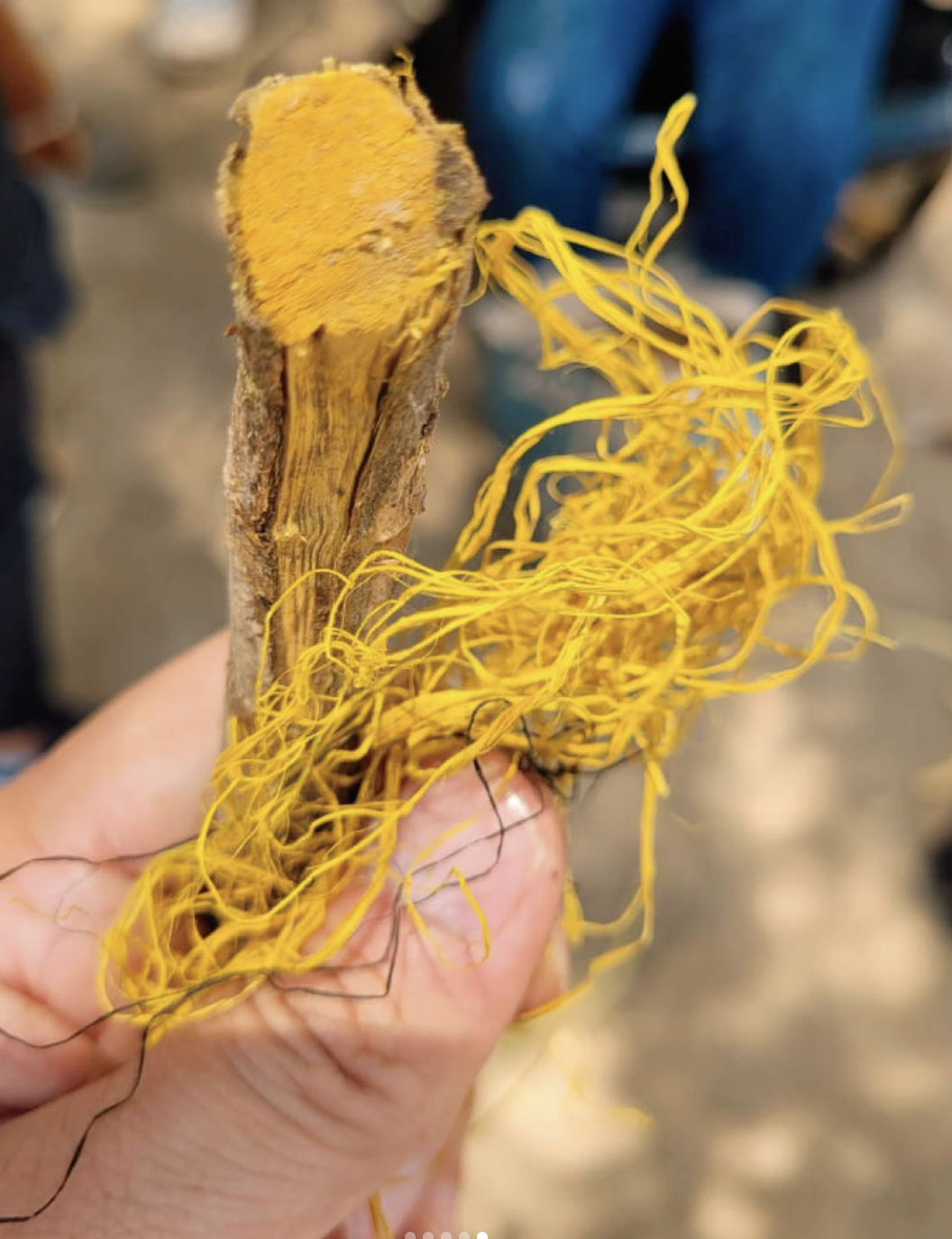
Yica Stitch
The Yica stitch is foundational in Wichí textile art. This open, mesh-like structure is used for everyday objects such as bags, hammocks, nets, and clothing. Strong yet flexible, it often incorporates patterns inspired by plants, animals, and the surrounding environment. Yica can be worked in a single hue or in blended colors,
Antique Stitch (Antiguo/a)
A more intricate and historically significant technique. The antique stitch demands advanced skill and patience. Performed entirely by hand with a single needle, it yields highly detailed and sophisticated patterns. Only the most experienced artisans master this method, and the resulting textiles are cherished for their precision and beauty.
Geometric Motifs
Patterns reference everyday life in the forest. Semillas de chañar (chañar seeds), garras de carancho (falcon claws), orejas de mulita (armadillo ears), and ojos de lechuza (owl eyes) are among the motifs that carry stories, values, and teachings.
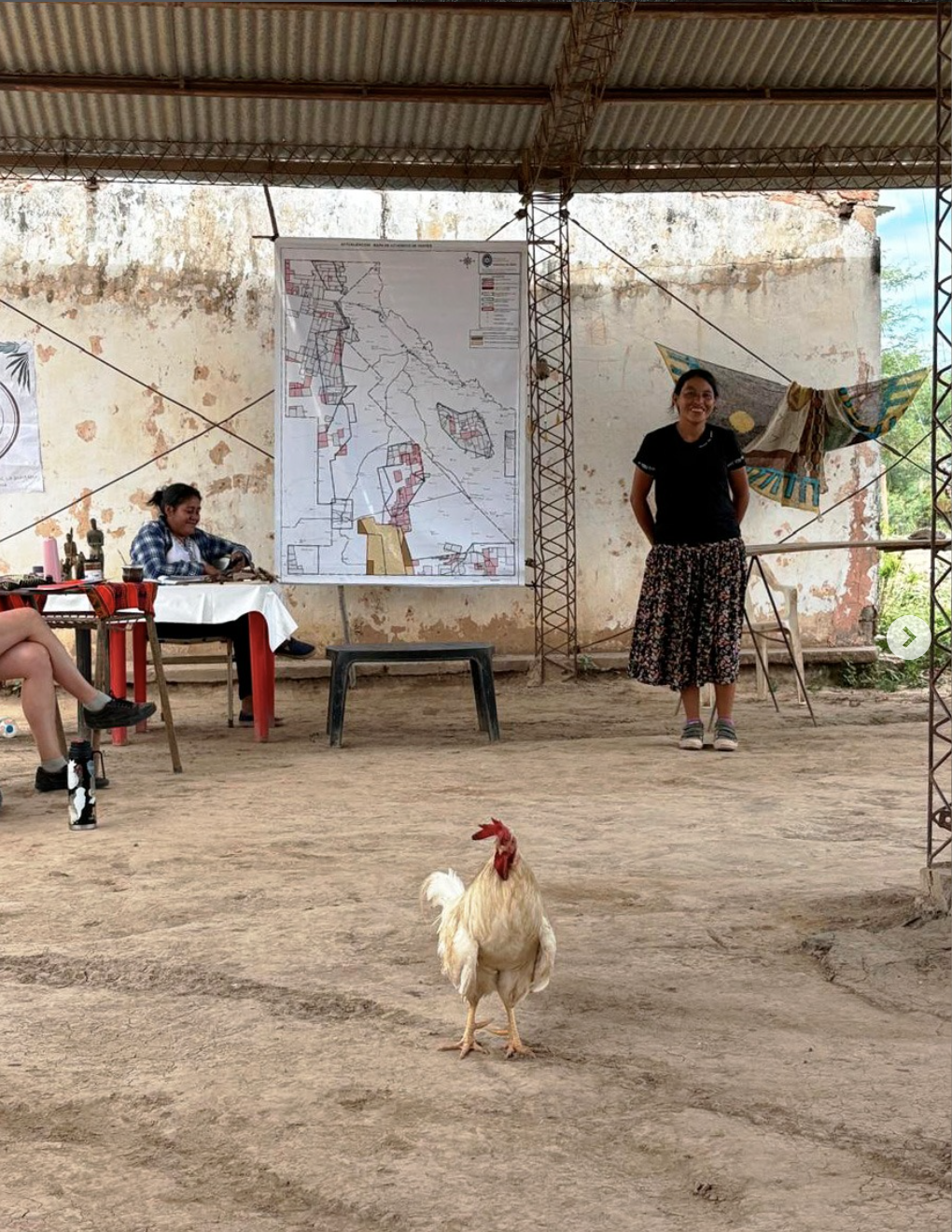
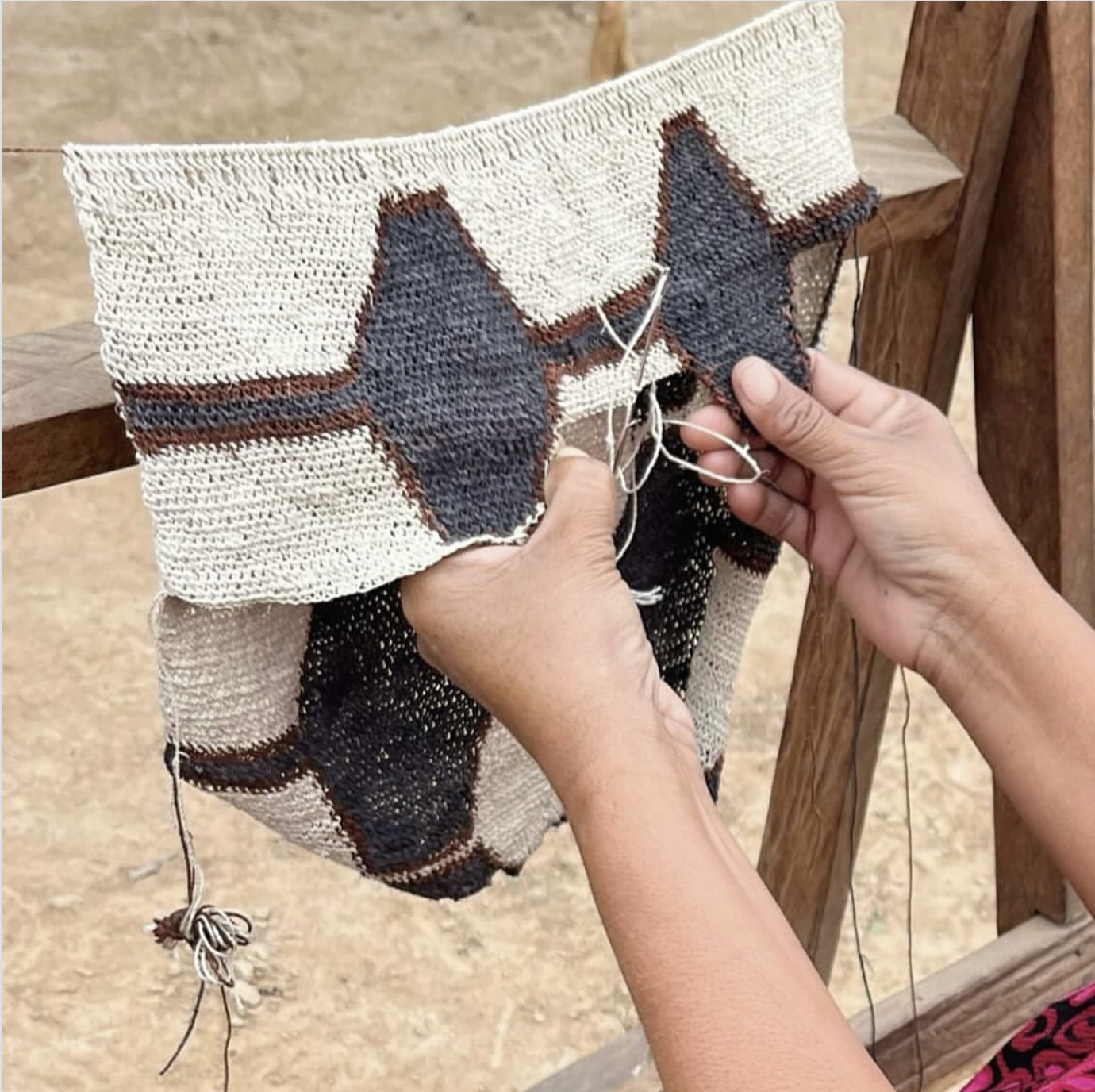
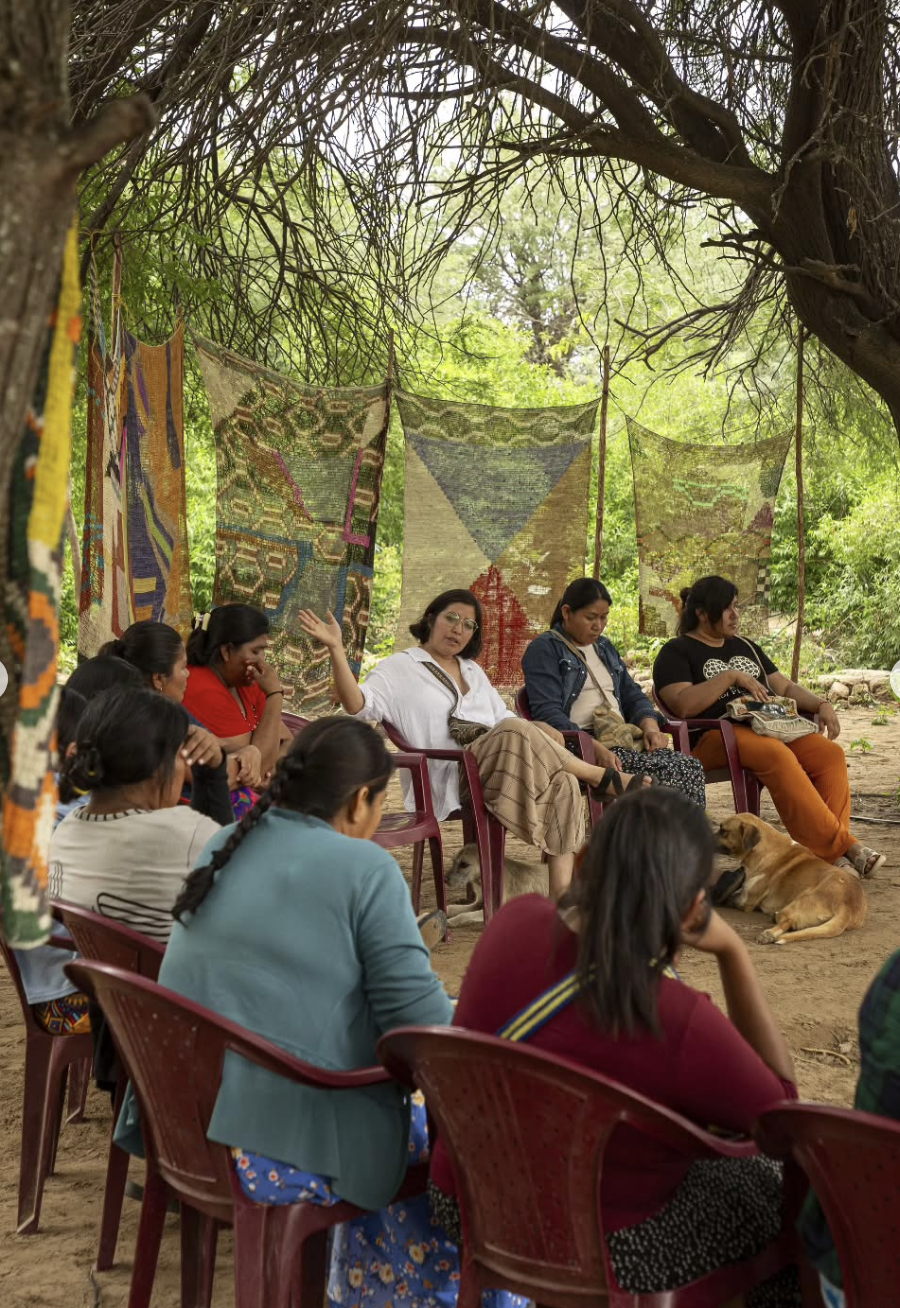

In recent years, Wichí women have gained international recognition for their work—a reward for decades of organizing and resilience in the face of social and environmental challenges.
Their creations, once known only within remote communities, are now being noticed by curators, anthropologists, and contemporary designers. This attention celebrates the skill and ancestral knowledge woven into every piece, while also creating economic opportunities and giving Indigenous voices a place in global conversations about craft and cultural identity.
By supporting Wichí artisans, we help keep these traditions alive, respected, and visible—both in their communities and around the world.
Photo Credits: Silat Wichi, Claudia Alarcon and Oichena Arte Textil Wichí
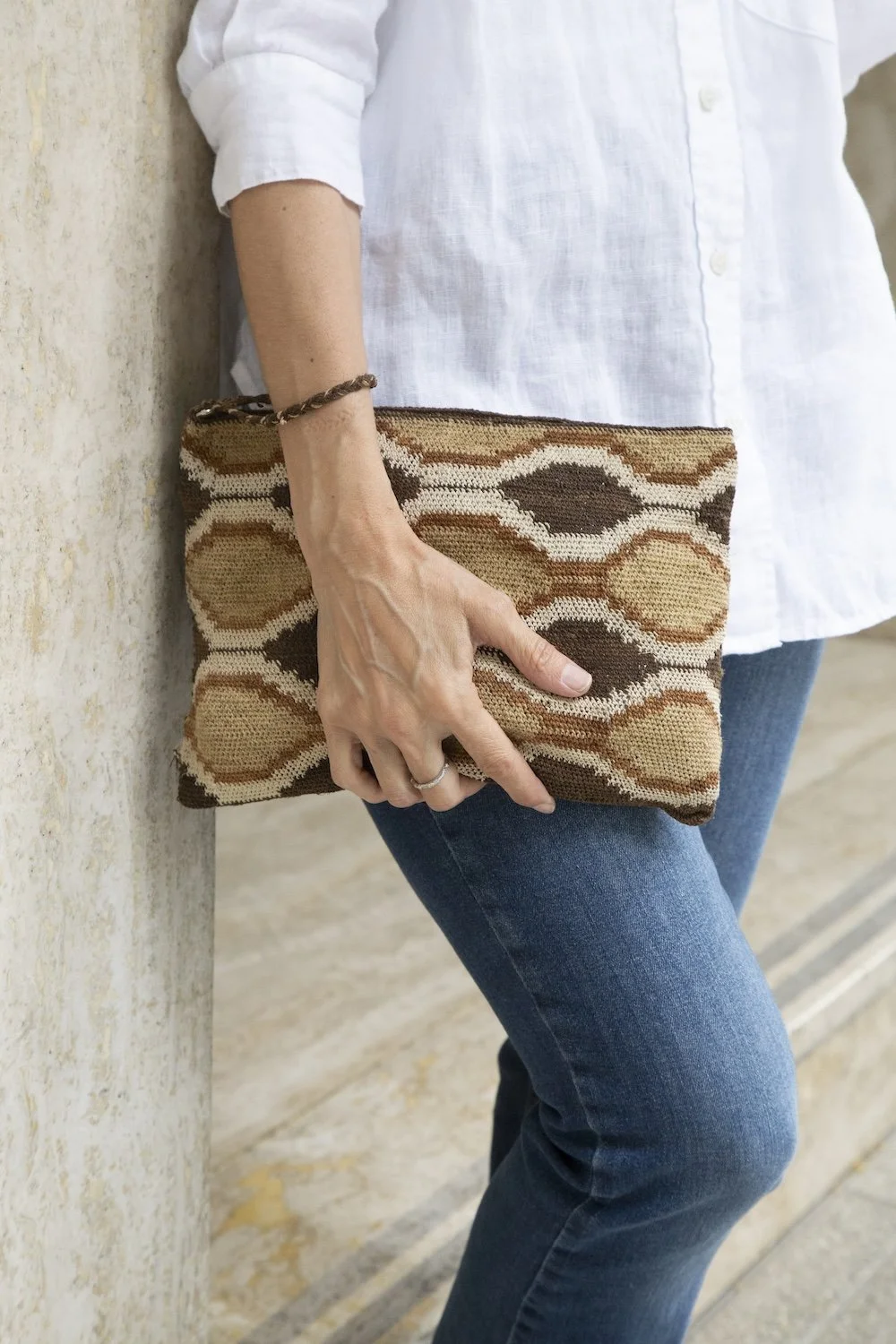



The Punto Antiguo Chaguar Clutch is a truly unique accessory, handcrafted by a community of Wichí women in Formosa, Argentina. Made from fibers extracted from the native Chaguar plant, this clutch combines artistry, tradition, and sustainability.
Punto Antiguo is a refined weaving technique employed by only a few skilled artisans, making these pieces rare and exceptionally special. Each collectible textile is handspun and handwoven with precision. The result is a timeless piece that celebrates craftsmanship and cultural heritage.
With its elegant, minimalist design and intricate textures, the Punto Antiguo Clutch is perfect for carrying essentials while adding a sophisticated, artisanal touch to your wardrobe.
Dimensions: 11” x 8.5”
Colors: Terracotta, Natural, Brown
Material: 100% Chaguar plant fibers, sustainably sourced.
Technique: Punto Antiguo—an intricate, rare weaving method.
Origin: Wichí Community, Northern Argentina
Care: Spot clean - Dry clean only
Colors and sizes may slightly vary due to the unique, handcrafted nature of each piece and each artisan’s creative process.
Learn more about Wichi Community
Shipping + Returns